
Spindle Wear & Scrap Rates: The Hidden Link in CNC Grinding
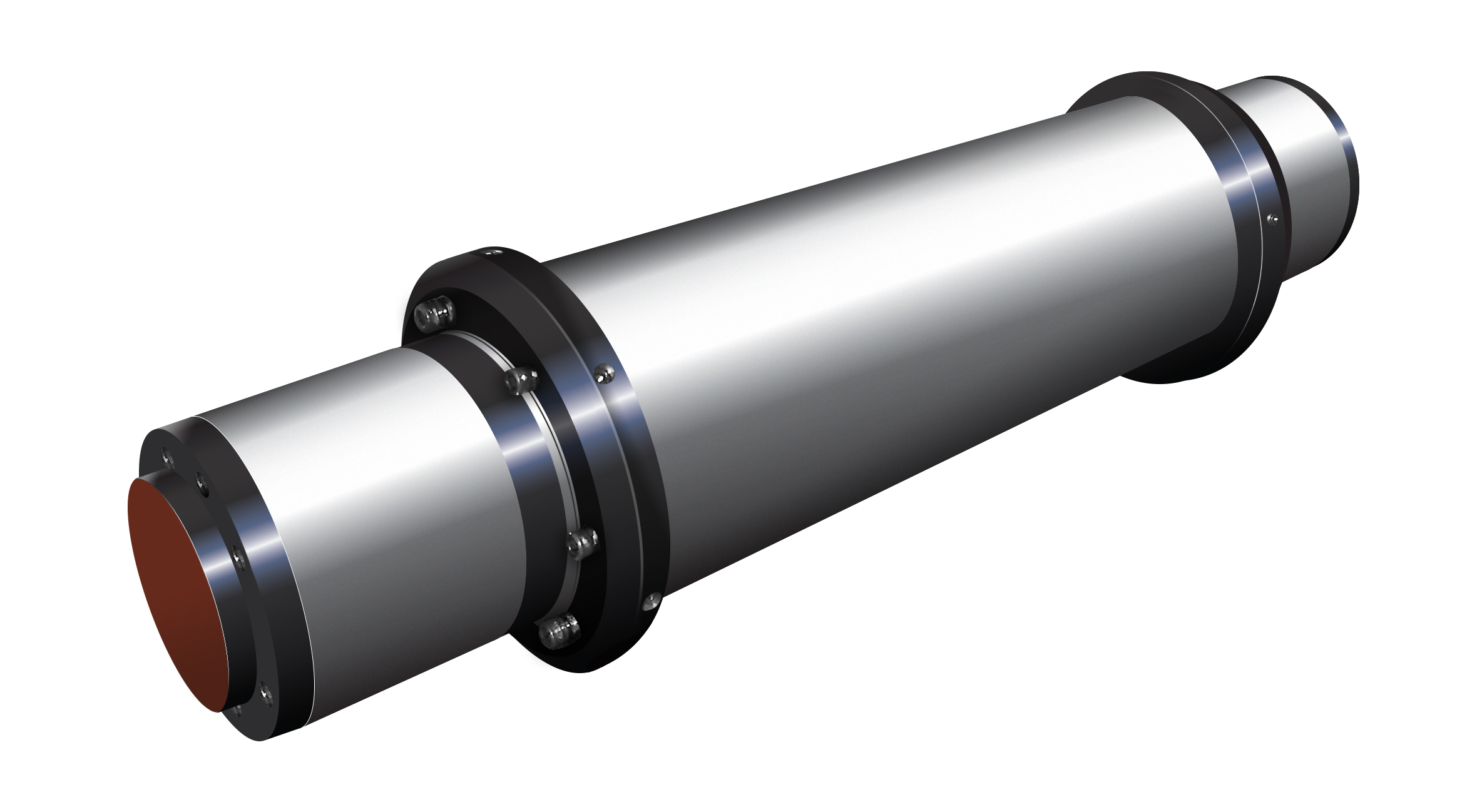
When scrap rates climb on a CNC grinding line, the investigation usually starts in the same places: operator error, tooling quality, or machine settings. These are reasonable first suspects. However, one contributing factor often goes unexamined until significant damage has already occurred: the condition of the spindle itself.
Worn or degrading CNC grinder spindle parts can quietly undermine dimensional accuracy, surface finish quality, and production consistency long before they trigger an obvious failure. Understanding how worn spindle parts increase scrap rates helps manufacturers identify problems before they lead to excessive waste and costly rework.
What Is the Relationship Between Spindle Components & CNC Grinding Quality?
The spindle is the mechanical core of any grinding machine. It maintains rotational accuracy, supports dimensional consistency, and enables the machine to achieve required surface finishes across high-volume production runs. When spindle performance degrades, every part that passes through the machine is at risk.
Several grinder spindle parts play a direct role in machining accuracy and surface finish consistency:
- Bearings: Control rotational accuracy, support radial and axial loads, and maintain spindle rigidity. Worn bearings introduce runout and vibration.
- Spindle shafts: Must maintain straightness, concentricity, and dynamic balance. Any deflection disrupts tolerance control.
- Housings: Provide structural support. Damage or bore wear can affect alignment and bearing fit throughout the assembly.
- Seals: Prevent coolant and contaminant ingress. Seal failure accelerates internal wear.
- Lubrication-related components: Regulate heat and friction. Degraded lubrication leads to thermal instability and premature wear.
How Worn Spindle Parts Increase Scrap Rates
CNC grinder spindle components that have deteriorated don’t always fail dramatically. More often, the degradation is gradual—and so is its impact on finished-part quality.
- Loss of dimensional accuracy: As bearing clearances increase and shaft stability decreases, the machine struggles to hold tight tolerances. Parts that were previously in spec begin drifting out of range.
- Surface finish defects: Spindle wear introduces micro-vibrations that leave chatter marks on workpiece surfaces. These defects are difficult to attribute to the spindle without proper diagnostics, which is why they often go unaddressed. Learn more about common spindle issues and repair challenges.
- Increased runout and vibration: Excessive runout directly contributes to geometric inaccuracies. Even small increases in spindle runout can push parts beyond acceptable tolerances, creating a steady stream of rejects.
The Hidden Costs of Rising Scrap Rates
Scrap is rarely just about raw material loss. Each rejected part carries a wider cost burden that compounds quickly across a production shift:
- Lost production time: Every scrapped part represents machine time that cannot be recovered.
- Increased labor costs: Operators spend additional time inspecting, sorting, and reworking parts.
- Additional inspection requirements: Rising scrap often triggers more frequent quality checks, pulling resources away from production.
- Customer quality concerns: Inconsistent output can damage supplier relationships and lead to costly returns or claims.
Addressing the spindle as a quality variable—rather than only a mechanical one—can break this cycle before it escalates.
Which Spindle Components Should Be Inspected First?
When scrap rates rise unexpectedly, a targeted spindle inspection is a logical first step. The following industrial spindle components warrant priority attention:
- Bearings: Check for wear, fatigue, and preload loss. Bearing wear is one of the most common causes of accuracy problems in precision grinding.
- Spindle shafts: Measure for runout, deflection, and surface condition. Even minor shaft wear can compromise balance.
- Housings and assemblies: Inspect for damage, misalignment, and bore wear that could affect concentricity.
- Lubrication components: Assess lubricant condition, contamination, proper lubrication delivery. Lubrication failure accelerates every other form of wear.
For guidance on when to schedule a spindle rebuild, proactive inspection—rather than waiting for failure—can consistently deliver a better outcome.
How OEM-Grade Spindle Components Help Reduce Scrap Rates
Replacing worn industrial spindle components with OEM-grade spindle parts restores the dimensional specifications and material properties the machine was originally designed around. This matters because grinding tolerances are tight, and even small deviations in component geometry can reintroduce the accuracy problems you’re trying to eliminate.
Spindle replacement parts that don’t meet OEM specifications—whether in terms of bearing clearance, shaft straightness, or housing tolerances—can perpetuate quality issues rather than resolve them. Component compatibility isn’t a secondary concern; it’s central to achieving consistent, repeatable results. Explore GCH Tool Group’s full range of grinder spindles.
Why Manufacturers Choose GCH Tool Group for Grinder Spindle Components
GCH Tool Group is the world’s largest supplier of new grinder spindle parts and grinder components, with over 10,000 new parts in stock across all major grinder types and brands. Manufacturers rely on GCH Tool Group for several reasons:
- OEM-grade spindle parts built to precise specifications, ensuring full compatibility and reliable machine performance
- An extensive inventory of spindle replacement parts for both current and legacy equipment, including hard-to-find grinder accessories and assemblies
- Expert support for grinder spindle repair and spindle rebuilding services, backed by decades of application knowledge
- An exclusive Remanufacturing Exchange Program that allows manufacturers to receive a replacement spindle unit immediately—minimizing downtime while the damaged unit is processed
- Emergency grinder parts delivery when production cannot wait for standard lead times
GCH Tool Group’s pricing is typically at least 30% lower than OEM pricing, making high-quality grinder tools and components accessible without compromising standards.
Reduce Scrap and Restore Precision with GCH Tool Group
The relationship between spindle condition and production quality is both direct and measurable. Worn bearings, degraded seals, and misaligned housings don’t just affect machine performance in isolation; they generate rejected parts, consume labor, and erode margins across every shift.
Reducing scrap often starts not with settings adjustments, but with a closer look at the spindle. GCH Tool Group’s OEM-grade grinder components give manufacturers the foundation they need to improve accuracy, maintain quality standards, reduce scrap in CNC grinding operations, and maximize productivity.
Contact GCH Tool Group to discuss your spindle component needs and explore the full inventory of grinder parts and services.
 Request a Quote