
Keep Your CNC Machines Running: The Right Spindle Inspection Schedule
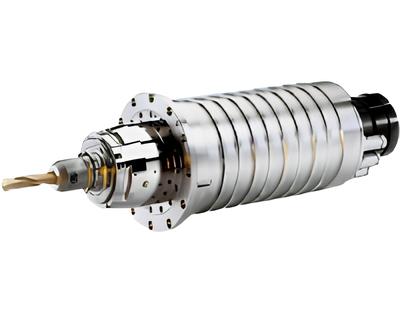
The spindle is the heart of a CNC grinding machine. It drives precision, determines surface finish quality, and directly influences how long your tooling lasts. Yet routine CNC spindle inspection is one of the most overlooked aspects of CNC machine maintenance—until something goes wrong.
A structured inspection schedule can help manufacturers catch problems early, prevent unexpected failures, and extend the service life of critical components. Whether you’re running a high-volume production line or managing a small machining operation, knowing what to inspect and how often to do so can mean the difference between planned maintenance and unplanned downtime.
Why Routine Spindle and Bearing Inspections Matter
Spindle condition has a direct impact on virtually every measurable output of a CNC grinding machine. When CNC machine spindle maintenance is consistent and proactive, the performance benefits are significant:
- Improved machining accuracy and dimensional consistency
- Better surface finish quality on finished parts
- Extended tool life and reduced tooling costs
- Greater production consistency across shifts
- Reduced scrap and rework
- Lower overall maintenance costs
Neglecting inspections can allow minor wear to progress unnoticed, increasing the likelihood of costly repairs and unplanned downtime.
What Determines the Right Inspection Frequency?
Not every machine operates under the same conditions, so inspection frequency should reflect the specific demands placed on each spindle. Key factors include the following:
- Operating hours: Higher daily run times accelerate wear on bearings and rotating components.
- Production environment: Contamination from coolant, dust, or chips accelerates the degradation of CNC spindle bearings.
- Material being machined: Hard or abrasive materials place greater load on the spindle.
- Spindle speed and load: High-speed applications generate more heat and stress.
- Machine age: Older machines may require more frequent checks.
- Previous maintenance history: Machines with gaps in service history warrant closer monitoring.
These factors should be considered when establishing an inspection schedule for each machine.
Recommended CNC Spindle and Bearing Inspection Schedule
The following spindle inspection checklist provides a practical framework for manufacturers. Each interval targets specific components and conditions based on how quickly they can change during normal operation.
| Spindle Inspection Schedule | |
| Frequency | What to Check |
| Daily | Unusual noise or vibration, spindle temperature, lubrication levels |
| Weekly | Tool holder condition, coolant contamination, signs of abnormal wear |
| Monthly | Spindle bearing inspection for performance changes, spindle runout, belt condition (if applicable) |
| Quarterly | Dynamic performance, alignment verification, lubrication system condition |
| Annually | Comprehensive inspection by qualified technicians, including precision testing, bearing evaluation, and dynamic balancing |
This schedule provides a starting point; actual inspection intervals should be adjusted based on machine usage, operating conditions, and maintenance history.
How Delayed Inspections Can Lead to Progressive Spindle Damage
Spindle damage rarely happens all at once. It follows a predictable progression when inspections are skipped or deferred. Here’s how it typically unfolds:
- Bearings begin to wear or lose preload.
- Increased vibration and heat develop during operation.
- Shaft and taper wear accelerate as tolerances open up.
- Grinding accuracy deteriorates, leading to out-of-spec parts.
- Tool breakage becomes more likely under unstable cutting conditions.
- Machine downtime becomes unavoidable.
- Repair costs increase, often requiring full spindle bearing replacement or a full rebuild.
- Production schedules are disrupted.
What might have been addressed with a bearing adjustment or minor repair during a scheduled inspection can quickly escalate into a full spindle rebuild, resulting in greater costs and longer lead times.
Operator Inspections vs. Professional Spindle Diagnostics
Effective CNC spindle inspection involves two distinct levels of oversight, each with a specific role.
Operators are best positioned to monitor day-to-day conditions during normal machine operation. Their responsibilities include checking for unusual noise or vibration at startup, noting changes in spindle temperature, verifying lubrication, and flagging anything that seems abnormal. These observations are valuable precisely because they happen in real time.
Professional diagnostics, by contrast, go far deeper. Qualified technicians use precision instruments to measure spindle runout, assess bearing preload, evaluate dynamic balance, and identify wear that isn’t visible or audible during standard operation. This level of evaluation—typically performed annually or following any unusual event—is what separates reactive maintenance from a genuinely proactive approach to industrial spindle services.
Both levels matter. Operator awareness can identify early warning signs, while professional evaluation determines the underlying cause and recommends the appropriate corrective action, whether that’s spindle repair, a targeted component replacement, or a full rebuild.
Why Manufacturers Trust GCH Tool Group for CNC Spindle Services
GCH Tool Group has been the world’s largest supplier to the grinder industry since 1962, serving manufacturers in more than 60 countries from its 300,000-square-foot facility in Warren, Michigan. We bring a level of expertise and process rigor to spindle services that is difficult to match.
GCH Tool Group’s spindle repair and rebuilding services can include a complete teardown and evaluation, component-level inspection down to half a micron, precision machining and dynamic balancing, and a minimum eight-hour run-off test on specialized test stands before any rebuilt spindle leaves the facility. Every remanufactured spindle meets or exceeds original OEM specifications and comes with a detailed test report and balance analysis.
Beyond spindle repair and CNC spindle rebuild services, GCH Tool Group maintains an inventory of over 4,000 spindles for grinders across all major brands and machine types. We also offer grinding upgrades, grinder parts and components, and grinder accessories—making us a single source for both preventive maintenance and longer-term performance improvements.
For manufacturers who can’t afford production interruptions, the GCH Tool Group Remanufacturing Exchange Program provides a replacement spindle assembly while the original is being serviced, eliminating downtime entirely.
Protect Your CNC Machine Before Problems Occur
A consistent spindle inspection schedule can help identify wear before it becomes a production problem. Contact GCH Tool Group today to schedule a professional CNC spindle inspection, request diagnostics, or discuss spindle rebuilding services tailored to your equipment and production requirements.
 Request a Quote