Grinder Spindle Bearings: Types, Benefits & How to Choose the Right One
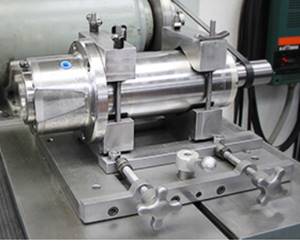
Spindle components play a critical role in the overall performance of your machinery. Among these components, grinder spindle bearings carry the heavy responsibility of maintaining rotational stability under immense stress. These small but mighty parts directly dictate the accuracy, finish quality, and reliability of your entire grinding operation.
When a shop utilizes low-quality components, the results are immediately noticeable. Operators often face excessive vibration, rapid heat generation, and poor part finishes that lead to costly scrap. Over time, these inefficiencies eat into profit margins and cause unpredictable machine failures that halt production lines.
To avoid these operational headaches, facilities must equip their machines with high-performance solutions. By partnering with GCH Tool Group, manufacturers gain access to premium components designed to handle the most demanding tolerances, ensuring consistent quality and extended machine life.
What Is a Bearing for Grinder Spindle?
Understanding the core function of these components helps operators appreciate their value on the shop floor. A bearing for a grinder spindle is a specialized mechanical component that supports the rotating spindle shaft while minimizing friction during high-speed operations.
These precision parts perform several key functions within your machinery:
- Supporting Rotational Motion: Grinder spindle bearings allow the spindle shaft to turn smoothly and efficiently at thousands of revolutions per minute.
- Maintaining Spindle Stability: They hold the spindle rigidly in place, preventing unwanted lateral or axial movement during grinding forces.
- Minimizing Friction and Wear: With the use of both advanced materials and lubrication, these bearings reduce the heat and drag that normally destroy metal components over time.
Proper preload is essential in spindle bearings, as it eliminates internal clearance and ensures rigidity, accuracy, and vibration control during grinding operations.
Types of Spindle Bearings in Grinding
Not all bearings are created equal, and different applications require specific designs to achieve the best results. Understanding the types of spindle bearings in grinding ensures you select the correct component for your specific load and speed requirements.
- Angular Contact Ball Bearings: These are specifically designed for high-speed and precision applications. Because they can handle both radial and axial loads simultaneously, angular contact ball bearings are commonly used in standard grinder spindles.
- Cylindrical Roller Bearings: Known for their high radial load capacity, these bearings are used in certain spindle designs where rigidity under heavy loads is required. However, they are less common in high-precision grinding applications compared to angular contact bearings.
- Hybrid Ceramic Bearings: These advanced components feature steel rings with ceramic balls. Hybrid ceramic bearings can reduce heat generation, support higher speeds, and offer longer service life in properly configured applications.
- Tapered Roller Bearings (in some designs): Used in specific spindle configurations where combined load handling and rigidity are required, though less common in high-speed precision grinding.
Common Problems Caused by Low-Quality Spindle Bearings
Subpar components quickly reveal their flaws once put under the stress of industrial production. Identifying the following warning signs helps operators know exactly when to replace spindle bearings before catastrophic machine failure occurs:
- Excessive Vibration and Noise: Low-grade parts often create spindle bearing vibration issues, which chatter through the machine and ruin precision cuts.
- Overheating Issues: Poor construction leads to friction, which generates excessive heat that can lead to thermal expansion, loss of bearing preload, and, in extreme cases, damage to the spindle shaft.
- Poor Surface Finish: Any instability in the bearing translates directly to the workpiece, leaving chatter marks and irregular finishes on the metal.
- Frequent Breakdowns: Unreliable bearings fail prematurely, halting production lines and rapidly increasing maintenance costs.
Benefits of Precision Spindle Bearings
Upgrading your machinery with superior components yields immediate, measurable returns on the shop floor. The following benefits of precision spindle bearings can extend far beyond simple friction reduction to impact your bottom line directly:
- Improved Grinding Accuracy: High-precision spindle bearings maintain exact tolerances, allowing you to hit micron-level specifications consistently.
- Superior Surface Finish: Stable rotation eliminates chatter marks, resulting in significantly improved finishes with minimal chatter.
- Increased Spindle Life: Quality materials and construction mean less wear and tear, dramatically extending the operational life of the spindle itself.
- High-Speed Performance: Premium bearings allow operators to operate reliably at higher speeds within the spindle’s designed limits, without excessive heat buildup.
- Reduced Downtime: Reliable components break down less often, keeping your production schedules on track.
Applications for Grinder Spindle Bearings
Because they deliver exceptional accuracy, these vital components support manufacturing across a wide range of demanding sectors. Below are some examples of the various industries that rely on the performance of grinder spindle bearings to meet their strict production standards:
- Automotive Component Manufacturing: Used in machinery to grind engine parts and transmission components to exact dimensional tolerances.
- Tool and Die Industry: Essential for sharpening cutting tools and shaping complex dies with perfect geometric precision.
- Aerospace Precision Machining: Required to manufacture turbine blades and other flight-critical parts where failure is simply not an option.
- Metal Fabrication and Finishing: Deployed in general manufacturing facilities to flatten and smooth metal plates for final assembly.
How to Choose Spindle Bearings for Grinding Machines
Selecting the perfect component for your grinding machine requires a careful analysis of your specific operational needs. If you are wondering how to choose spindle bearings for grinding machine applications, consider these critical factors before making a purchase:
- Load Capacity Requirements: Evaluate the maximum radial and axial forces the bearing will encounter during heavy grinding passes.
- Speed Ratings: Match the bearing’s maximum capability to your spindle’s operating speed to prevent catastrophic overheating.
- Precision Class: Select the appropriate ABEC or ISO tolerance class required to meet your specific part tolerances, keeping in mind that overall spindle performance also depends on preload, bearing arrangement, and assembly accuracy.
- Material Selection: Decide between traditional steel bearings for standard use or hybrid ceramic options for high-speed, low-heat applications.
- Lubrication Compatibility: Ensure the bearing design works flawlessly with your machine’s specific grease or oil-mist lubrication system.
Why Invest in Premium Bearings for Grinder Spindles?
Cutting corners on replacement parts often costs far more in the long run. When you buy spindle bearings for grinders through GCH Tool Group, you are investing in reliability, unmatched performance, and industry-leading expertise.
- Long-Term Cost Savings: Premium bearings last much longer, meaning fewer replacements and less money spent on spare parts over the machine’s life.
- Improved Machine Efficiency: Smooth-running spindles draw less power and cut cycle times, boosting overall shop productivity.
- Consistent Production Quality: Rigid bearings guarantee that the first part of the day matches the last part of the day perfectly.
- Reduced Maintenance Costs: Less wear means your maintenance crew spends fewer hours tearing down and rebuilding equipment.
Expert Tips to Maximize Spindle Bearing Performance
Even the best components require proper care to reach their maximum lifespan. Following a few fundamental practices can protect your investment and keep your machinery running smoothly:
- Proper Lubrication Practices: Always use the exact type and amount of lubricant specified by the manufacturer to prevent dry-running.
- Regular Maintenance Checks: Use vibration analysis tools to monitor bearing health and catch early signs of structural wear.
- Avoid Contamination: Keep seals intact and ensure coolants or grinding swarf never enter the internal bearing housing.
- Ensure Correct Installation: Improper handling or incorrect preload settings during installation will destroy a bearing instantly.
If a spindle is already beyond basic maintenance, utilizing professional rebuild grinder spindle services can restore it to factory conditions. Furthermore, if you suffer an unexpected failure, securing emergency grinder part delivery from GCH Tool Group will immediately minimize your facility’s costly downtime.
Upgrade Your Grinder with GCH Tool Group
Selecting the right bearing is the foundation of a profitable, precise grinding operation. The correct components can directly enhance machining accuracy, increase equipment durability, and boost overall efficiency on the shop floor.
Do not let substandard parts dictate the quality of your products. Choose GCH Tool Group for unparalleled access to the world’s largest inventory of new replacement parts, all backed by expert engineering support. Upgrade your grinder with precision spindle bearings from GCH Tool Group today and experience the difference that true quality makes.
 Request a Quote