
Workblade Wear in Centerless Grinding: Signs & Solutions
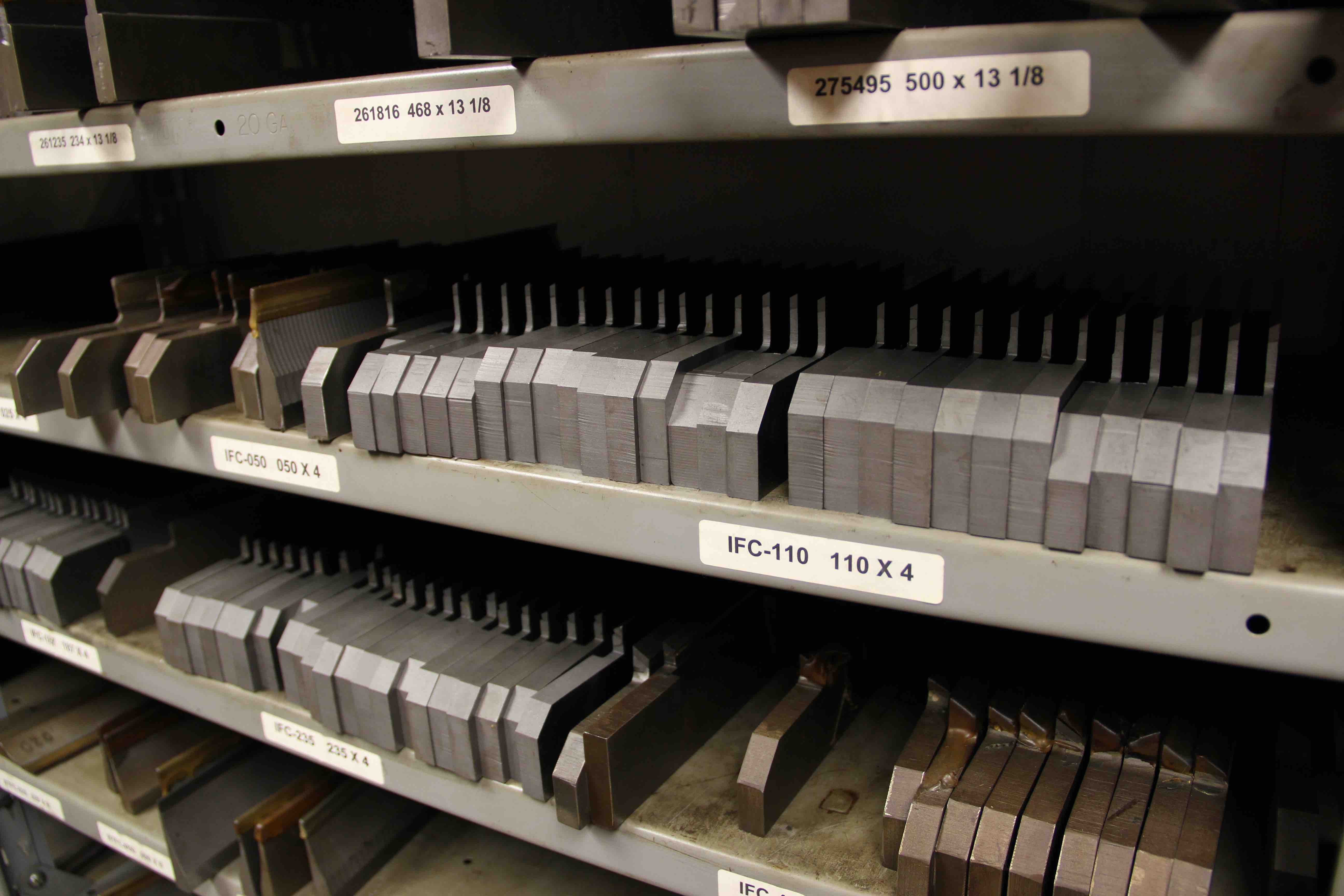
Precision manufacturing requires highly reliable machinery. When a centerless grinder workblade begins to deteriorate, the negative effects ripple through your entire production line. Even minor wear can cause dimensional inaccuracies, leave a poor surface finish, and significantly increase scrap rates.
Addressing these issues early prevents costly downtime and keeps your facility running smoothly. For manufacturing units seeking a dependable solution, GCH Tool Group provides precision workblades designed to withstand rigorous industrial demands.
What Is a Workblade in Centerless Grinding?
Understanding the function of a workblade in centerless grinding helps operators maintain optimal machine performance. This critical component supports the workpiece as it passes between the grinding wheel and the regulating wheel. It bears the brunt of the rotational forces and downward pressure during the continuous grinding cycle. Without a stable, high-quality, and properly angled blade, achieving exact tolerances becomes virtually impossible.
Key Signs of Workblade Wear You Shouldn’t Ignore
Operators must stay vigilant and monitor their equipment and output to catch early signs of workblade wear in centerless grinding. Catching these indicators before they escalate saves both valuable time and raw material. Look out for these common warning signs on the shop floor:
- Inconsistent part diameter across a single production run
- Poor or rough surface finish on the final machined product
- Increased vibration or chatter during the grinding process
- A frequent need for manual machine adjustments to hold tolerances
- Workpiece instability, where the part shifts or bounces during grinding
Common Causes of Workblade Wear in Centerless Grinding
Several operational factors contribute to workblade wear in centerless grinding. Identifying the root cause helps prevent premature tool failure and extends the life of your equipment. The most frequent culprits behind blade degradation include:
- Continuous friction and high contact stress from heavy daily workloads
- Improper workblade material selection for the specific workpiece being ground
- Incorrect blade angle or improper setup during installation
- A lack of proper routine maintenance by machine operators
- Excessive heat and contamination resulting from inadequate coolant flow
How Workblade Wear Affects Your Grinding Operations
Ignoring compromised tooling ultimately harms your bottom line and production quality. Degraded components disrupt the delicate balance required for precision manufacturing. Facility managers will typically notice the following negative impacts when running worn blades:
- Reduced dimensional accuracy across machined batches
- Increased scrap materials and the need for expensive rework
- Machine instability that causes damaging vibrations to the spindle
- Lower overall productivity leading to higher operational costs
When Should You Replace a Workblade?
Knowing the exact moment to swap out your centerless grinder workblade prevents catastrophic manufacturing errors. Maintenance teams should rely on clear operational thresholds to dictate replacement schedules. It is time to install a new blade when you observe some or all of the following signs:
- Visible wear, scoring, or deep grooves on the blade’s resting surface
- A complete inability to maintain required part tolerances
- Repeated setup corrections needed within a single operating shift
- Unacceptable increases in scrap rates that hurt overall profitability
Workblade Maintenance Tips to Extend Service Life
Implementing a proactive maintenance strategy keeps your machinery running efficiently. A few simple practices can drastically prolong the lifespan of your tooling and other centerless grinder accessories. Follow these maintenance guidelines to protect your equipment:
- Establish regular, documented inspection schedules for all machine operators.
- Ensure proper alignment and setup during every single changeover.
- Use the correct blade material (such as carbide or bronze) for your specific application.
- Maintain coolant cleanliness to reduce heat and remove abrasive swarf.
Why High-Quality Workblades Make a Difference
Investing in premium tooling directly correlates with better manufacturing outcomes. When evaluating the best workblade for centerless grinding, quality construction dictates long-term performance. Utilizing high-grade grinder parts and components yields several distinct advantages:
- Improved grinding accuracy for exceptionally tight tolerances
- Longer service life that minimizes production interruptions
- Reduced downtime associated with frequent tool changes and maintenance
- Consistent part quality that meets strict customer specifications
GCH Tool Group delivers solutions that check all these boxes. Our workblades are precision-engineered, custom-built for specific applications, crafted from highly durable materials, and function perfectly as OEM workblades for grinding machines.
Why Choose GCH Tool Group for High Precision Workblades
When facility managers need to buy centerless grinding workblades, they turn to industry experts with proven track records. GCH Tool Group stands out by offering an extensive inventory of high-quality replacement parts ready for immediate shipment. Whether you require standard replacements or comprehensive grinder upgrades, our experienced engineering team provides unmatched technical support and precision components tailored to your shop’s exact needs.
Maximize Your Centerless Grinding Efficiency
Monitoring workblade wear remains a critical responsibility for any precision manufacturing unit. By recognizing the early signs of deterioration, understanding the underlying causes, and knowing exactly when to replace your tooling, you protect your production quality. Proactive maintenance combined with high-quality replacement parts guarantees accuracy, durability, and a strong return on investment.
Upgrade your centerless grinding operations today with precision workblades from GCH Tool Group.
 Request a Quote