Category: Grinder Parts

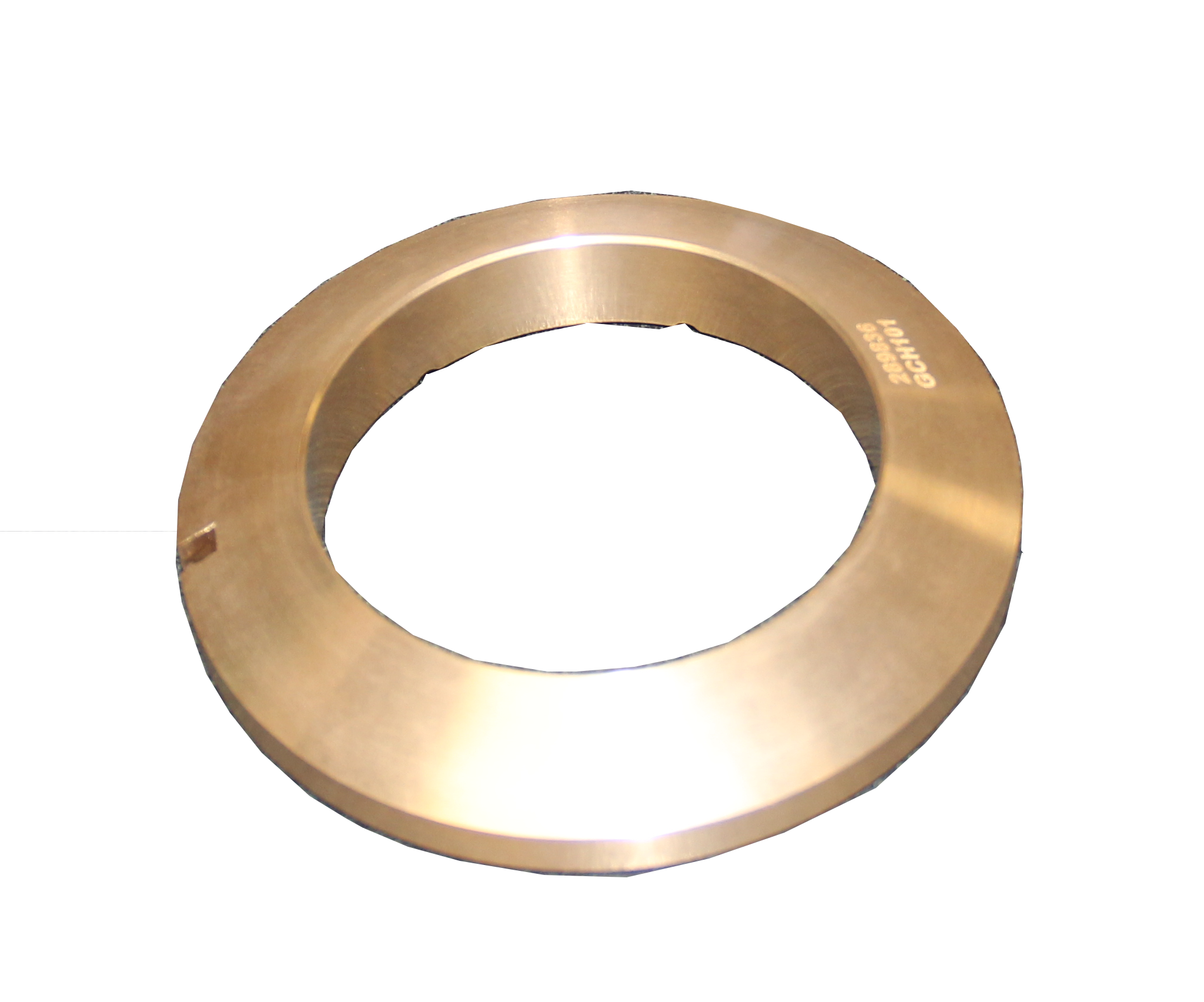
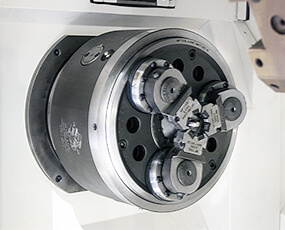
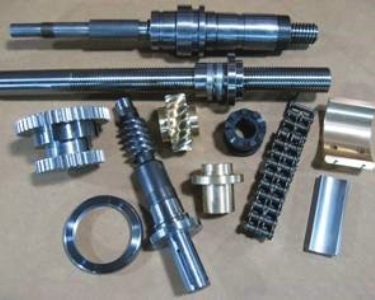
Heald CF Series Components

The Ultimate Checklist for Choosing the Right ID Grinder Replacement Parts

In precision manufacturing, your ID grinder is only as reliable as its weakest component. Selecting the right ID grinder replacement parts is a critical decision that directly impacts operational efficiency and product quality. Poor part selection can lead to costly downtime, inconsistent tolerances, heat issues, excessive vibration, and a shortened machine life. Conversely, choosing high-quality, The Ultimate Checklist for Choosing the Right ID Grinder Replacement Parts

Magnetic vs. Cartridge vs. Paper Filtration

Magnetic vs. Cartridge vs. Paper Filtration: Which Coolant Filtration System’s Best for Your Grinder?

Contaminated coolant is a costly problem. It leads to poor surface finishes on your parts, causes premature grinding wheel wear, and results in expensive machine downtime. As precision grinding demands become more stringent, the need for an efficient coolant filtration system has never been more critical. Choosing the right one, however, can be challenging. The Magnetic vs. Cartridge vs. Paper Filtration: Which Coolant Filtration System’s Best for Your Grinder?

Double Disc Grinder Parts and Components

The Double Disc Grinder Wear Zone: Pinpointing the 5 Components That Kill Precision

Double disc grinding delivers unmatched precision and productivity in manufacturing operations. When these machines run smoothly, they produce parts within tight tolerances while maintaining exceptional surface finishes. However, beneath the surface of consistent operation lies a hidden problem: specific double disc grinder components wear faster than others, quietly destroying accuracy and eating into your bottom The Double Disc Grinder Wear Zone: Pinpointing the 5 Components That Kill Precision

ID Grinder

ID Grinder Breakdowns: Common Causes & the Role of Quality Replacement Parts

A single ID grinder breakdown can cost manufacturers thousands of dollars in lost production time, rejected parts, and emergency repairs. For precision machining operations, these machines are the backbone of quality control—responsible for achieving the tight tolerances that separate acceptable parts from scrap. When an ID grinder fails unexpectedly, the ripple effects extend far beyond ID Grinder Breakdowns: Common Causes & the Role of Quality Replacement Parts

Work Rest Assemblies, Centerless Blades

Precision Grinding: The Role of Work Rest Assemblies & Blades

Grinding and regulating wheels receive the most attention when it comes to high-precision manufacturing, but two often-overlooked components—work rest assemblies and centerless blades—play a crucial role in the machine’s performance. The interaction between these parts is vital; any misalignment or wear in either component can directly impact dimensional control, surface finish, and overall part quality. Precision Grinding: The Role of Work Rest Assemblies & Blades

Replacing Ball Screws and Nuts

How Replacing Ball Screws and Nuts Fixes Head Drops and Restores Grinder Accuracy

When your precision grinder starts experiencing head drops, the quality of your work suffers immediately. Parts come out with uneven surfaces, dimensional tolerances fall outside acceptable ranges, and production efficiency plummets. Precision grinding demands microscopic accuracy, where even the slightest deviation can render expensive parts unusable. Here’s how replacing ball screws and nuts fixes head How Replacing Ball Screws and Nuts Fixes Head Drops and Restores Grinder Accuracy

Grinder Hydraulic Assemblies

Why Replacing Worn Hydraulic Assemblies Is Key to Grinder Performance

Your grinding operation runs smoothly until it doesn’t. One moment your grinder is producing precision parts, the next it’s making unusual noises and struggling to maintain proper feed rates. More often than not, the culprit lies within your hydraulic assemblies—the heart of your grinder that powers everything from workhead rotation to table movement and infeed Why Replacing Worn Hydraulic Assemblies Is Key to Grinder Performance

Role of Headstock and Tailstock

Why a Healthy Tailstock and Headstock Are Non-Negotiable for Your OD Grinder

Even the most advanced OD grinder is only as accurate as its tailstock and headstock. These critical components serve as the foundation for precision grinding, yet many manufacturers overlook their maintenance until costly problems emerge. Minor misalignment or wear in the grinder headstock and tailstock can quickly escalate into taper, runout, and significant production losses. Why a Healthy Tailstock and Headstock Are Non-Negotiable for Your OD Grinder

Surface Grinder Parts and Components

Why Grinder Performance Drops with Age and How Replacing Surface Grinder Parts Restores It

You’re midway through a crucial production run when your once-reliable surface grinder starts acting up. Surface finishes are inconsistent, grinding cycles are slower, or worse, scrap rates are climbing. Sound familiar? It’s easy to dismiss these issues as part of a machine’s aging process, but they might not be what they seem. The truth is Why Grinder Performance Drops with Age and How Replacing Surface Grinder Parts Restores It

Oil Fire Suppression System

Why Oil Fire Suppression Is Non-Negotiable for Grinding Operations

Fire suppression systems for grinders—especially in industrial or high-volume operations—are essential to prevent catastrophic damage due to the ignition of flammable coolant mist, grinding dust, or overheated parts. Here’s a concise guide to fire suppression systems suitable for grinders: Why Grinders Need Fire Suppression Grinding operations involve high RPMs, metal-to-abrasive contacts, and extreme heat generation. Why Oil Fire Suppression Is Non-Negotiable for Grinding Operations