
When Is the Best Time for CNC Spindle Rebuilding?
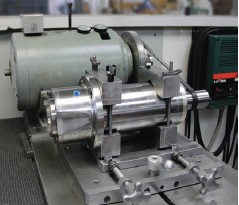
The end of the fiscal year is often a race against the clock. Manufacturing units push their machinery to the limit to meet Q4 production quotas, often delaying necessary maintenance to maximize uptime. While this strategy helps hit revenue targets, it leaves critical equipment—specifically the specialized spindle for grinders—in a state of fatigue.
There is a hidden cost to this delayed maintenance. As the new year begins, the cumulative wear from months of heavy operation can manifest as subtle inaccuracies, increased cycle times, and the looming threat of unplanned downtime.
For forward-thinking maintenance managers, the first quarter (Q1) represents the smartest window to reset. Scheduling a comprehensive inspection and potential rebuild now ensures your equipment is calibrated for the year ahead, reducing the risk of unexpected failures when production ramps up again.
CNC Spindle Wear After Year-End Production: An Overview
The aggressive production schedules typical of Q3 and Q4 push machines beyond their normal duty cycles. While the machine might still be running, the mechanical stress accumulated during these periods often degrades the internal components of the spindle assembly.
Heavy Year-End Production Increases Spindle Stress
To meet year-end targets, operators often run machines at maximum speeds and feeds for extended periods. This intensity accelerates mechanical stress on the spindle shaft and housing. What begins as minor stress can quickly escalate into measurable wear, compromising the tight tolerances required in precision grinding.
Extended Run Hours Accelerate Bearing Wear
Continuous operation generates significant friction. Over time, this friction leads to fatigue in the spindle bearings. While modern bearings are durable, the increased heat and load from 24/7 operation shorten their lifespan. This wear may not cause immediate failure, but it increases the likelihood of bearing degradation over time. Spindle rebuilding and maintenance are essential to catch this fatigue before a seized bearing halts your entire line.
Heat Buildup Leads to Thermal Drift
Long run times generate excessive heat within the spindle assembly. This heat can cause thermal drift, a phenomenon where spindle components expand and shift slightly, leading to a loss of dimensional consistency. If parts began drifting out of tolerance in late December, heat-related instability within the spindle assembly may be a contributing factor.
Vibration Rises as Components Degrade
As bearings wear and lubrication breaks down, vibration increases. It is important to note that vibration is typically a symptom of underlying wear rather than the root cause. If left unaddressed, increased vibration can lead to chatter marks on workpieces and accelerated tool wear. A key goal of Q1 maintenance is to reduce spindle vibration and restore consistent surface finishes.
Lubrication Quality Drops
After prolonged use, spindle lubrication can break down, suffer from viscosity loss, or become contaminated with coolant and swarf. Because this happens internally, visual checks are insufficient. A professional inspection is the only reliable way to assess lubrication health.
Early-Stage Wear Is Often Undetected
The most dangerous type of wear is the kind that doesn’t immediately stop the machine. Early-stage wear may not trigger alarms, but it gradually erodes accuracy. By the time operators notice spindle runout problems, corrective action often requires a full rebuild rather than minor adjustment.
Why the First Quarter Is the Best Window for Spindle Inspection
Strategically, the best time for CNC spindle rebuilding is immediately following the holiday rush.
Lower Production Pressure
Q1 often brings a natural lull in production schedules as new orders are processed and inventory is assessed. This reduced pressure allows maintenance teams to take machines offline for inspection without disrupting critical output.
Easier Machine Scheduling
With lower manufacturing intensity, coordination between production and maintenance teams becomes easier. This flexibility allows downtime to be scheduled proactively, rather than forced by unexpected spindle failure during peak demand.
Faster Turnaround from Service Providers
Scheduling CNC spindle rebuild services early in the year can often result in quicker turnaround times. By engaging a professional spindle rebuilding company like GCH Tool Group in Q1, you can take advantage of efficient shop scheduling, ensuring your machine is back on the floor faster than if you waited for the mid-year maintenance rush. Keep in mind that turnaround times can vary based on spindle condition and workload.
Benefits of CNC Spindle Rebuilding in Q1
Investing in CNC spindle rebuilding early in the year sets the tone for production quality:
- Restores Runout and Balance: Rebuilding corrects internal imbalances, ensuring the spindle rotates perfectly on its axis. This eliminates runout, which is critical for holding tight tolerances.
- Improves Surface Finish: By eliminating vibration, a rebuilt spindle produces smoother, higher-quality surface finishes, reducing the need for secondary polishing operations.
- Stabilizes Thermal Performance: Replacing worn bearings and seals improves thermal stability, helping maintain dimensional consistency during extended production cycles.
- Improves Tool Life: A stable, balanced spindle puts less stress on grinding wheels and cutting tools, ensuring they wear evenly and last longer.
- Reduces Scrap: The ultimate benefit is a reduction in rejected parts. A precise spindle produces precise parts, protecting your margins from the cost of scrap and rework.
What’s Included in a GCH Tool Group Professional Inspection
When you choose GCH Tool Group for CNC spindle rebuild services, you aren’t just getting a quick fix. You receive a comprehensive restoration of performance. Our process includes:
- Vibration Analysis: Advanced detection of imbalance and harmonic issues.
- Runout Testing: Verifying accuracy at the spindle nose and test bar.
- Bearing Inspection: Rigorous analysis of bearing condition and preload.
- Lubrication Checks: Ensuring optimal viscosity and cleanliness.
- Thermal Evaluation: Monitoring heat generation during operation.
- High-Speed Balance Testing: Performing high-speed spindle balancing to ensure stability at maximum RPMs.
Industries That Benefit the Most from Q1 Rebuilding
While all precision manufacturers benefit, certain sectors see more immediate ROI from early-year maintenance. For example, CNC spindle rebuilding for automotive manufacturing is particularly critical given the high-volume, tight-tolerance nature of the industry. Aerospace manufacturing, tool-and-die shops, and medical device manufacturers also rely on this window to ensure compliance with strict quality standards.
Why Choose GCH Tool Group for Spindle Rebuilding
Starting the year with a spindle inspection is a proactive strategy that safeguards your production targets. By addressing wear in the first quarter, you ensure accuracy, uptime, and cost control for the months ahead.
GCH Tool Group is a global leader in this space. Beyond our service capabilities, we stock over 10,000 new grinder replacement parts, grinder parts and components, and various grinder accessories. Whether you need grinding upgrades to modernize your equipment or a complete CNC spindle rebuilding, GCH Tool Group focuses on restoring spindles to OEM-equivalent performance through expert diagnostics and precision balancing.
Don’t wait for a failure to dictate your schedule. Experience the benefits of early CNC spindle maintenance by partnering with the experts. Reach out to GCH Tool Group today to schedule your Q1 spindle inspection.
 Request a Quote