
How to Check Magnetic Chuck Compatibility: An 8-Point Checklist
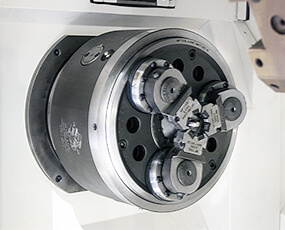
Buying a magnetic chuck for your grinder without verifying full machine compatibility is a costly mistake. An incorrect fit can compromise workpiece stability, create equipment problems, and lead to expensive downtime. Many buyers focus solely on physical chuck dimensions, overlooking other critical factors like electrical inputs, controller compatibility, controller matching, and weight limits. This guide provides an 8-point checklist that allows you to evaluate compatibility before purchasing a new magnetic chuck for grinding machine applications or retrofitting an older surface, cylindrical, or CNC grinder.
Why Magnetic Chuck Compatibility Matters for Grinding Applications
A chuck that physically fits your grinding table isn’t necessarily suitable for your application. Magnetic chuck compatibility affects far more than mounting: it directly influences workpiece stability, grinding accuracy, and surface finish quality. An incompatible chuck can increase setup time, create operator safety hazards, and reduce overall productivity. Verifying compatibility across every dimension—mechanical, electrical, and material—protects both your equipment and your output quality.
Checklist: 8 Compatibility Factors to Check Before Buying a Magnetic Chuck
Use this magnetic chuck compatibility checklist to evaluate any potential purchase before committing.
1. Grinding Machine Type and Application
Surface grinders, cylindrical grinders, and CNC grinders each demand different chuck configurations. A CNC grinding magnetic chuck often requires tighter integration with automated controls than a standard surface grinder chuck.
2. Chuck Dimensions and Grinding Table Size
The chuck must match your table’s mounting footprint precisely, without overhang or gaps that compromise stability during operation.
3. Mounting and Installation Requirements
Check bolt patterns, height clearance, and whether your machine requires specific bracketry for proper installation. For a replacement chuck assembly, also confirm that any associated electrical and mounting components are compatible with the machine.
4. Workpiece Material and Magnetic Properties
Ferrous materials respond well to magnetic holding, but thin or small parts may benefit from a finer pole pitch to provide more effective magnetic contact.
5. Required Holding Force
Holding force must be appropriate for the workpiece material, contact area, part thickness, and forces generated during grinding. Insufficient holding capacity can allow the workpiece to shift during operation.
6. Pole Configuration and Pole Pitch
Fine pole pitch suits thin or small parts, while wider pole spacing benefits larger, thicker workpieces.
7. Chuck Type: Permanent, Electromagnetic, or Other Configuration
Permanent chucks hold workpieces without continuous electrical power, while electromagnetic and permanent-electromagnetic chucks offer different operating characteristics and control options. Each has distinct advantages depending on your production environment.
8. Precision, Flatness, and Surface Requirements
Chuck flatness can affect grinding accuracy, so verify that the chuck’s surface condition and tolerances match your precision requirements before purchasing.
What Happens When You Use an Incompatible Magnetic Chuck?
Compatibility issues often surface during specific scenarios: upgrading an existing grinding machine, working with thin or small components, grinding unusual workpiece shapes, or switching materials. If you’re experiencing holding problems, unsure about mounting compatibility, or need a custom or application-specific solution, it’s a strong signal that your current grinding machine magnetic chuck setup needs reassessment.
What Factors Affect the Cost of a Magnetic Chuck?
Several variables influence pricing for OEM magnetic chucks and replacements: chuck size and dimensions, chuck type, pole configuration, holding force and performance requirements, precision and build quality, customization needs, material and construction quality, and installation and compatibility requirements. Understanding how these factors interact helps buyers budget realistically for grinder upgrades rather than focusing on upfront price alone.
Why Choose GCH Tool Group for OEM-Grade Magnetic Chucks
Compatibility isn’t just about whether a chuck bolts onto your table. It’s about matching machine type, workpiece material, mounting requirements, and application demands to support stable, accurate, and efficient grinding. When evaluating your options for your next purchase, weigh long-term performance and total cost of ownership rather than initial price alone. If compatibility or selection feels uncertain, consult a magnetic chuck supplier before you buy.
GCH Tool Group has served the grinder industry since 1962, offering an extensive inventory of grinder accessories, grinder tools, and grinder components and parts in the world. Whether you need a magnetic chuck replacement for an aging Blanchard grinder, new electromagnetic chuck assemblies for a CNC application, or a magnetic chuck for CNC grinding machine applications, GCH Tool Group’s engineering team helps match the right solution to your exact machine and application. Explore GCH Tool Group’s full range of chucks and tooling or learn more about the company.
 Request a Quote