
How Replacing Ball Screws and Nuts Fixes Head Drops and Restores Grinder Accuracy
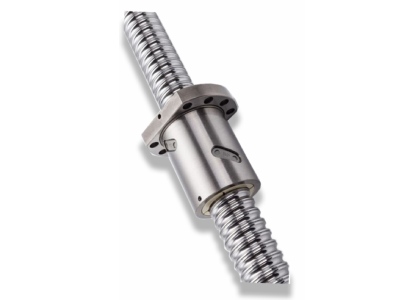
When your precision grinder starts experiencing head drops, the quality of your work suffers immediately. Parts come out with uneven surfaces, dimensional tolerances fall outside acceptable ranges, and production efficiency plummets.
Precision grinding demands microscopic accuracy, where even the slightest deviation can render expensive parts unusable. Here’s how replacing ball screws and nuts fixes head drops and restores grinder accuracy.
Understanding the Problem: What Causes Grinder Head Drops?
Head drop refers to the vertical inaccuracy of the grinder head during operation. Instead of maintaining its programmed position, the grinding head gradually shifts or drifts, creating inconsistent contact with the workpiece.
Several factors contribute to grinding machine precision issues:
- Wear in Ball Screws and Nuts: Over time, repeated motion wears down the threaded surfaces and ball bearings, creating play in the system.
- Misalignment or Lack of Preload: This occurs when installation wasn’t performed correctly or when components have shifted.
- Contamination: Contamination from dust, metal particles, or coolant ingress accelerates wear and creates binding in the mechanism.
- Insufficient Lubrication: Precision grinding components may fail prematurely due to the increase in friction because of poor lubrication.
- Overloading: This happens when the grinder operates beyond its designed capacity, placing excessive stress on the ball screw assembly.
- Substandard Parts: If replacement parts don’t meet original equipment specifications, they will fail faster than OEM-quality grinder parts.
The Role of Ball Screws and Nuts in Grinder Accuracy
Ball screws convert the rotational motion of servo motors into precise linear movement of the grinding head. Unlike traditional lead screws, ball screws use recirculating ball bearings to minimize friction while maximizing positioning accuracy.
The preload system eliminates backlash by maintaining constant contact between the balls, screw threads, and nut threads. This tight control prevents any unwanted movement that could compromise grinding precision. Even microscopic wear in the threads or balls disrupts this delicate balance, causing the head to lose its ability to maintain exact positioning.
High-accuracy ball screw and nut assemblies are engineered to maintain tolerances measured in micrometers. When this precision degrades, the entire grinding operation suffers.
Critical Signs of Ball Screw & Nut Wear That Can Lead to Head Failure
Recognizing the signs of ball screw and nut failure early can prevent costly production problems:
- Increased Head Drop or Drift During Operation shows that the positioning system can no longer maintain programmed locations.
- Jerky or Uneven Spindle Travel indicates binding or inconsistent friction within the ball screw assembly.
- Backlash During Operation becomes noticeable when changing directions, creating positioning errors.
- Inconsistent Part Tolerances appear when finished parts show varying dimensions despite identical programming.
- Visible Scoring or Pitting on exposed portions of the screw or nut reveals advanced wear conditions.
- Audible Clicking or Grinding Noises during head travel signal mechanical problems within the assembly.
- Measurable Loss of Positioning Accuracy shows up during test cuts and calibration procedures.
How Replacing Ball Screws and Nuts Fixes Head Drops
Grinder ball screw replacement addresses the root causes of positioning problems through several mechanisms:
- Restoring Preload eliminates play and backlash between the screw and nut, returning the system to its original tight tolerances.
- Reducing Friction and Stiction ensures smooth head movement without jerky motion that can affect surface finish.
- Improving Load-Bearing Capability allows the grinding head to maintain stability under operational loads.
- Enhancing Repeatability enables a precise return to zero reference points and programmed positions.
Fresh ball screws and nuts provide the mechanical foundation necessary for precision grinder upgrades, transforming unreliable machines back into accurate production tools.
The Replacement Process: Step-by-Step Overview
Professional ball screw replacement follows a systematic approach:
Step 1: Isolate and lockout the grinder for safety.
Step 2: Remove guards, couplings, and related components.
Step 3: Extract old ball screw and nut assembly.
Step 4: Inspect bearings and mounts for wear.
Step 5: Install the new matched screw and nut set.
Step 6: Apply proper lubrication.
Step 7: Reassemble, align, and check preload.
Step 8: Test run and recalibrate grinder accuracy.
Preventing Future Head Drops: Maintenance Best Practices
Following these grinding machine maintenance tips can extend the life of your components significantly:
- Establish regular lubrication schedules based on operating hours and environmental conditions.
- Protect ball screws from coolant splash and contamination using appropriate covers and seals.
- Monitor backlash periodically through systematic testing procedures.
- Replace components proactively before excessive wear damages other machine elements.
- Train operators to recognize early warning signs and report unusual behavior promptly.
Cost vs. Benefit of Replacement
The investment in CNC grinder parts pays dividends through reduced downtime and improved production quality. An inaccurate grinder creates expensive scrap parts and delays delivery schedules, often costing more than the repair investment.
Quality ball screw replacement restores production capabilities while extending the overall machine lifespan. The improved accuracy reduces rejected parts and increases customer satisfaction.
Restore Your Grinding Precision with GCH Tool Group
Head drops represent serious threats to grinding accuracy that demand immediate attention. Replacing worn ball screws and nuts provides the most effective solution for restoring precision and maintaining production quality.
Don’t wait for complete failure to address positioning problems. Contact GCH Tool Group today to explore our high-quality replacement options and grinder accessories that will restore your grinder’s accuracy and reliability.
 Request a Quote