
Motorized Spindle Rebuilding Solutions for Precision Grinding Machines
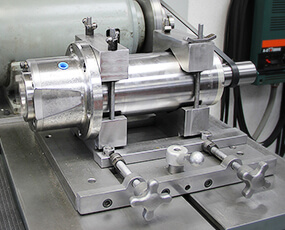
The condition of a motorized spindle directly affects grinding accuracy, surface finish, rotational stability, and overall production consistency. When a grinder spindle starts to wear down, the effects rarely stay contained to one part of the machine. Precision grinding machines rely on tight tolerances, and even small deviations in spindle performance can ripple through an entire production run.
Common warning signs include excessive vibration, overheating, unusual noise, increased runout, and a gradual decline in grinding performance. These symptoms often appear gradually before becoming more severe, which makes early diagnosis valuable. Continuing to operate a machine with an unresolved spindle problem can increase unplanned downtime and, in some cases, cause damage to surrounding components like the drive system or housing.
Motorized spindle rebuilding is often considered an alternative to full replacement, depending on the spindle’s condition and whether a rebuild is technically feasible. This article explains when rebuilding makes sense, what the process typically involves, and how to choose a provider of motorized spindle rebuilding solutions.
Why Rebuild Motorized Spindles?
Rebuilding a motorized spindle can offer a cost-conscious path to restoring performance without the lead time and expense associated with a grinder spindle replacement. For many shops, a well-executed rebuild extends the useful life of existing equipment while addressing the specific issues causing performance loss.
When Does a Precision Grinding Machine Need Motorized Spindle Rebuilding?
Several signs may indicate that a spindle requires attention:
- Excessive vibration, which may point to bearing wear, imbalance, or other mechanical issues
- Overheating during operation, often linked to bearing degradation or lubrication issues
- Unusual noise, such as grinding, clicking, or whining sounds from the spindle assembly
- Excessive runout, which can compromise part accuracy and surface finish
- Declining grinding performance, including inconsistent finishes or dimensional variance
- Frequent repairs and downtime, which often signal that underlying wear has not been fully addressed
How Can Motorized Spindle Rebuilding Restore Grinding Performance?
Addressing worn or damaged components can help bring a spindle back to a condition closer to its original operating specifications. Rebuilding may offer several potential benefits:
- Improved rotational stability
- Better control of spindle runout
- More consistent grinding performance
- Reduced risk of recurring component-related failures
- Potential reduction in unplanned downtime
That said, outcomes depend on several variables, including the spindle’s starting condition, the quality of the rebuild work, the overall condition of the machine, and the specific demands of the application.
What Does the Motorized Spindle Rebuilding Process Involve?
A thorough motorized spindle repair and rebuild process typically includes the following stages:
- Initial inspection and diagnosis — identifying symptoms and assessing overall spindle condition
- Disassembly and component evaluation — inspecting bearings and other critical internal components
- Repair and replacement planning — determining which parts require repair, replacement, or further evaluation
- Precision rebuilding and assembly — restoring components and reassembling the spindle to applicable specifications
- Testing and verification — performing checks appropriate to the spindle design before it’s returned to service
Motorized Spindle Rebuilding vs. Repair vs. Replacement: Which Is Best?
| Option | When It May Make Sense |
| Repair | Minor, isolated issues are present, such as a single worn seal or a small adjustment, and the spindle is otherwise in good working condition. |
| Rebuilding | Multiple components show wear (such as grinding spindle bearings requiring replacement), but the housing and core structure remain sound and suitable for restoration. |
| Replacement | Damage is extensive, the spindle design is outdated or incompatible with current needs, or a rebuild isn’t cost-effective compared to a new unit or grinder spindle replacement. |
What Should You Consider When Choosing a Motorized Spindle Rebuilding Provider?
Not all providers offer the same level of precision or reliability. When evaluating a provider for motorized spindle rebuilding, consider:
- Experience specifically in motorized spindle rebuilding and repair
- Precision inspection and testing capabilities
- Expertise in bearings and other spindle components
- Access to compatible replacement parts for grinder components
- Availability of repair, rebuild, and replacement options under one roof
- Clear turnaround times and transparent costs
Why Choose GCH Tool Group for Motorized Spindle Rebuilding Solutions?
GCH Tool Group offers custom grinding spindle solutions backed by hands-on experience diagnosing and restoring motorized spindles for precision grinding applications. From grinder upgrades to full spindle rebuilds, we work to match the right solution to each machine’s condition and your shop’s production needs. We also provide access to grinder tools and grinder accessories that support long-term reliability.
Restore Performance with Motorized Spindle Rebuilding at GCH Tool Group
Vibration, overheating, unusual noise, runout, and declining grinding performance are all signs worth taking seriously. In many cases, motorized spindle rebuilding offers a practical path back to reliable operation when the spindle is suitable for restoration. But the right choice between repair, rebuilding, and replacement depends on the specific condition of your equipment.
A professional assessment is the clearest way to determine your next step. Contact GCH Tool Group today to discuss your motorized spindle and explore the right solution for your precision grinding machine.
 Request a Quote