Grinding Spindle Exchange Program vs. New Parts: Which Makes Sense?
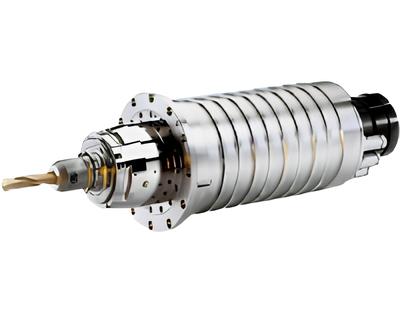
Grinding spindle failures rarely happen at a convenient time. One day the machine is running fine, and the next you’re staring down unexpected downtime, mounting repair costs, and a production schedule that’s quickly falling apart. When a spindle component fails, buying a brand-new part isn’t the only path forward.
A grinding spindle exchange program offers shops an alternative: trade in the worn component for a professionally remanufactured replacement, often with less waiting and lower cost. But when it comes to grinder upgrades, exchange programs aren’t automatically the better option for every situation. It all depends on factors like cost, part availability, lead time, component condition, and your machine’s specific performance requirements.
At GCH Tool Group, our Grinding Spindle Exchange Program, which is part of our broader spindle Remanufacturing Exchange Program, gives shops a practical way to weigh these options before committing to a repair path.
What Is a Grinding Spindle Exchange Program?
A spindle exchange program allows a shop to swap a failed or worn spindle component for a remanufactured equivalent, rather than purchasing an entirely new part. Instead of waiting on manufacturing or procurement timelines for a new component, the shop receives a restored unit that’s been rebuilt to functional condition.
The general process typically works like this:
- Identify the required spindle part: The shop determines which component has failed or needs replacement.
- Provide or exchange the applicable component: The shop sends in the worn part or coordinates the exchange terms with the program provider.
- Receive a remanufactured replacement: A professionally rebuilt unit is shipped to the shop, ready for installation.
- Return the used component: The component is returned according to the program’s requirements, and is then remanufactured for future exchanges.
Spindle parts remanufacturing restores a spindle component’s functionality through inspection, repair, and rebuilding of worn or damaged parts. Done correctly, it can extend a component’s service life without the cost or wait associated with sourcing a brand-new part.
Grinding Spindle Exchange vs. New Parts: What’s the Difference?
Here’s a comparison between a cost-effective grinding spindle exchange and purchasing brand-new parts.
| Factor | Grinding Spindle Parts Exchange | New Replacement Parts |
| Initial cost | Can be more cost-effective | Typically higher |
| Availability | May offer quicker access to replacement components | May involve manufacturing or procurement lead times |
| Component condition | Professionally remanufactured | New |
| Downtime | Potentially reduced | Depends on availability |
| Sustainability | Reuses/remanufactures existing components | Requires new manufacturing |
| Best suited for | Shops seeking cost and time efficiency | Applications requiring new components |
When Does a Grinding Spindle Parts Exchange Make the Most Sense?
A spindle remanufacturing exchange program tends to make the most sense when:
- Reducing spindle downtime is a top priority
- New parts are expensive or difficult to source
- The existing part is a good candidate for remanufacturing
- Your shop wants a cost-effective alternative to buying new
- You’re running an older grinding machine and replacement parts are hard to find
If any of these apply, a grinding spindle exchange program is worth evaluating before committing to a new part order.
How Can a Grinding Spindle Parts Exchange Help Reduce Downtime?
Exchange programs give shops access to a replacement component without waiting for the entire spindle to be repaired or rebuilt from scratch. When production depends on a critical grinding spindle, that difference matters. Every hour a machine sits idle is an hour of lost output.
By shortening the repair timeline, an exchange program helps minimize production disruption. Instead of pausing operations while a new part is manufactured or sourced, a shop can install a remanufactured component and get back to work. That directly supports machine uptime and keeps production schedules on track.
How GCH Tool Group’s Remanufacturing Exchange Program Can Help
GCH Tool Group’s Remanufacturing Exchange Program is built around eliminating unnecessary downtime. Shops identify the grinder component they need, and GCH ships a remanufactured replacement, allowing the remanufactured one to be installed and the worn one to be returned for credit afterward.
The program covers a wide range of grinder components and accessories, including spindle motors, twin-grip spindles, workheads, servo transmissions, high-frequency spindle bearings, and more. This approach means shops don’t need to carry excess spare parts and grinder tools or tie up cash in backup subassemblies just to stay protected against unplanned failures.
Choosing the Right Path for Your Shop
Whether you’re looking for new grinder spindle parts or a remanufactured grinding spindle, it all comes down to weighing cost, availability, lead time, part condition, compatibility, and your specific performance requirements.
A professional assessment can help you determine whether a spindle remanufacturing exchange program or a new component is the smarter move for your machine and your production schedule. If your shop is facing a spindle failure, reach out to GCH Tool Group to explore how a grinding spindle parts exchange can help reduce downtime and keep your operation running.
 Request a Quote