
5 Signs Your Grinding Spindle Needs a Parts Exchange or Rebuild
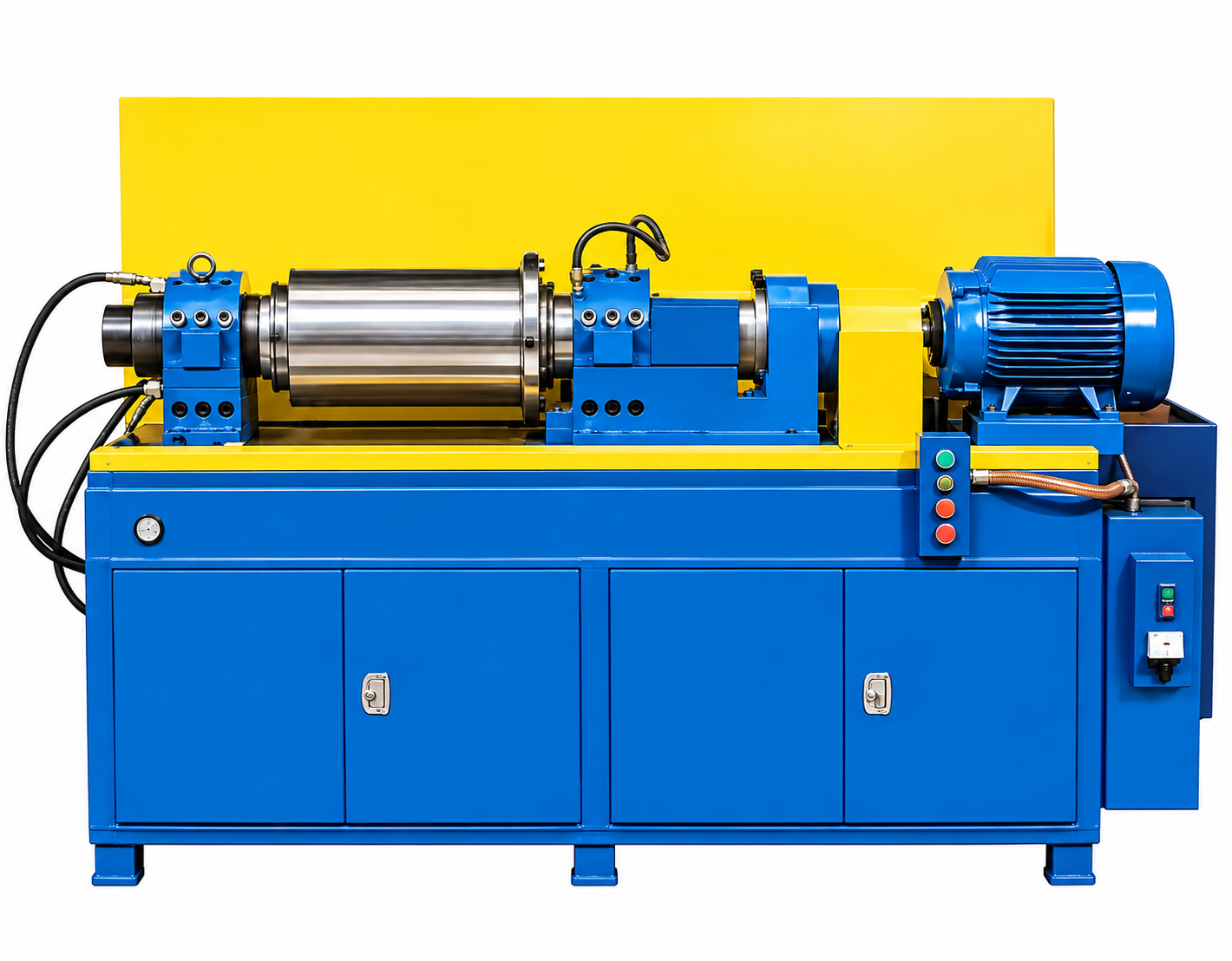
When a spindle starts to fail, operations typically have two paths forward: a grinding spindle parts exchange or a grinding spindle rebuild. An exchange swaps your worn spindle for a remanufactured, ready-to-run unit, minimizing downtime. A rebuild, on the other hand, restores your existing spindle to spec, which can make sense when the original assembly is well suited to your machine’s configuration.
GCH Tool Group supplies new, remanufactured, and used grinding spindles for centerless, ID, OD, double-disc, and surface grinders, as well as provides grinding spindle repair and rebuilding services for major brands. Below are the five warning signs that signal it’s time to evaluate your options.
1. Unusual Spindle Vibration or Excessive Noise
A spindle in good condition runs quietly and smoothly. Grinding or rumbling noises, along with noticeable vibration, are often among the earliest symptoms of a grinding spindle failure. These issues typically point to worn bearings, imbalance, or misalignment within the spindle assembly.
Ignoring vibration doesn’t just risk the spindle itself. It can accelerate wear on surrounding components, including the wheelhead and drive system, turning a contained issue into a much larger repair.
2. Declining Grinding Accuracy and Poor Surface Finish
If parts are coming off the machine with inconsistent dimensions or a rougher-than-expected surface finish, your spindle may no longer be holding the precision your process requires. Since the spindle controls the rotation of the grinding wheel, even minor runout or play in the bearings can translate directly into finish defects.
For shops running tight tolerances, this is often the first sign that precision grinding spindle maintenance has fallen behind, or that the spindle has reached the end of its serviceable life.
3. Excessive Heat or Recurring Spindle Overheating
Spindles generate some heat during normal operation, but recurring overheating is not normal. It usually indicates failing bearings, inadequate lubrication, or internal damage that’s creating excess friction. Overheating also compounds quickly: heat can warp components, degrade lubricants, and lead to catastrophic failure if left unchecked.
If your machine’s spindle is consistently running hotter than usual, or if thermal shutdowns have become routine, it’s time to have it evaluated.
4. Repeated Spindle Failures and Rising Maintenance Costs
A spindle that fails once might just need routine attention. A spindle that fails repeatedly is telling you something different. When maintenance costs start climbing, and the same component keeps breaking down, it’s often more economical to pursue a full grinding spindle exchange or rebuild rather than continuing to patch the same assembly.
Tracking repair frequency and cost over time can help you spot this pattern before it becomes a drain on your maintenance budget.
5. Reduced Production Efficiency or Unplanned Machine Downtime
When a grinder’s output slows down, or the machine requires frequent unplanned stops, the spindle is a common culprit. Reduced efficiency can stem from any of the issues above compounding over time, gradually degrading machine performance until downtime becomes the norm rather than the exception.
If your maintenance team is spending more time troubleshooting the same machine than running it, it’s worth investigating whether grinding spindle replacement parts or a full exchange could restore reliable output.
When Does Grinding Spindle Rebuilding Make More Sense?
Not every spindle issue requires a full exchange. A grinding spindle rebuild can be more economical when technicians can restore the existing spindle to the required specifications without replacing the entire assembly.
The process typically involves inspection, disassembly, component evaluation, replacement of worn parts, reassembly, and testing. Rebuilding is particularly practical for older or uniquely configured machines where replacement spindles are difficult to source.
The right choice depends on the spindle’s condition, performance requirements, and turnaround time. Compare a rebuild assessment with an exchange quotation to determine which option best fits your budget and timeline.
Why Work with an Experienced Grinding Spindle Service Provider?
An experienced grinder spare parts supplier provides accurate diagnostics, quality replacement components, and solutions designed to minimize downtime.
Look for a provider that also supplies grinder accessories, sources hard-to-find grinder components and parts, and offers grinder upgrades when modernization makes more sense than repair. Established inventory and remanufacturing processes, including exchange programs, can also significantly reduce turnaround times.
Restore Grinding Performance with a Spindle Exchange or Rebuild
Unusual vibration, declining accuracy, overheating, repeated failures, and reduced efficiency are five signs that your spindle needs attention. Addressing these issues early helps prevent unexpected breakdowns and production disruptions.
A grinding spindle parts exchange is worth considering when a compatible assembly is available and minimizing downtime is the priority. Rebuilding remains a strong alternative when technicians can restore your existing spindle to the required specifications.
GCH Tool Group offers grinding spindles for centerless, ID, OD, double-disc, and surface grinders, along with exchange and rebuilding solutions. Contact GCH Tool Group today to discuss which option makes the most sense for your operation.
 Request a Quote